A Look at the Argus C-44 Rangefinder
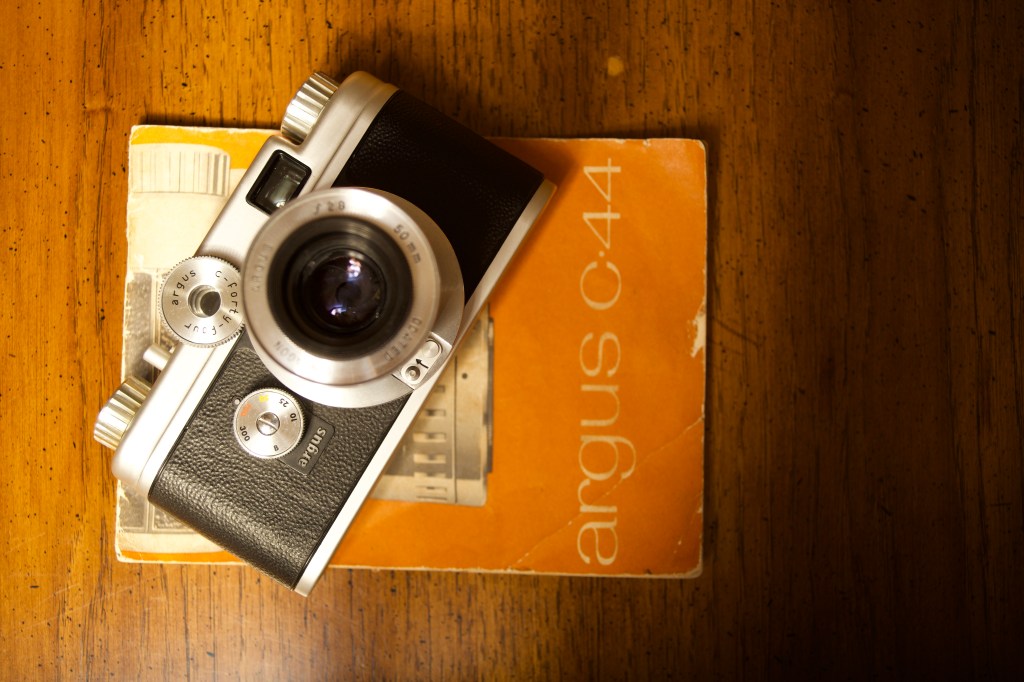
With digital photography having progressed at break-neck speeds, we have past the point where many have never had the experience of using a film camera. There are many that do not even know what film is. And those that do often don’t realize it is still being made. Given the nature of human assumption, what is new is better than what is old. However, there are a great number of ‘antique’ and ‘classic’ cameras that can hold their own against the armada of new products filling store shelves every year. One such example that I have here is the Argus C-44.
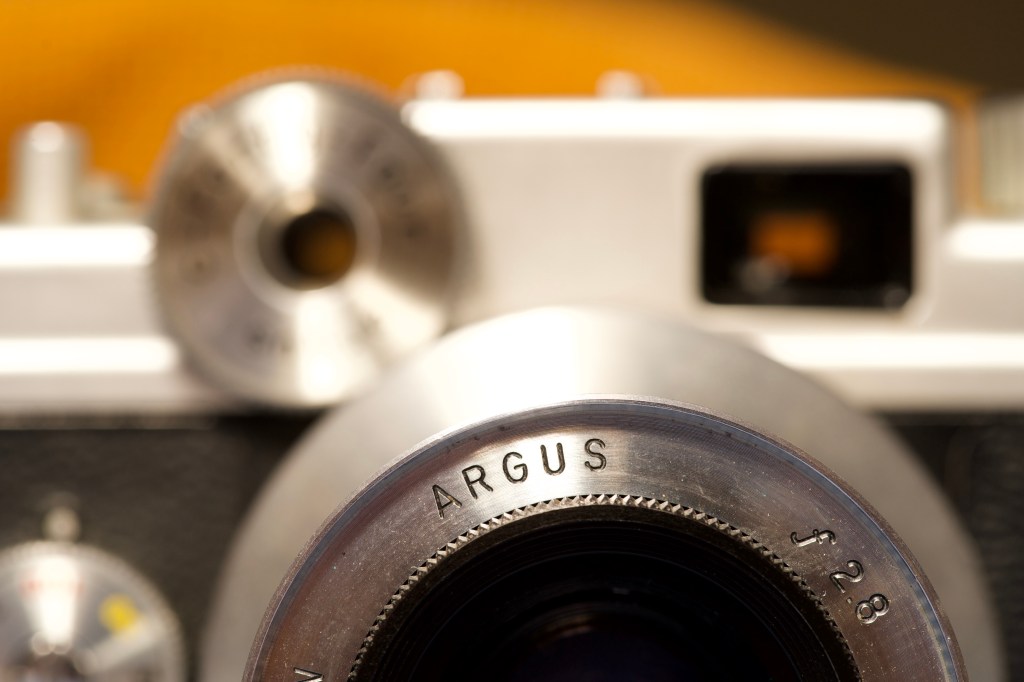
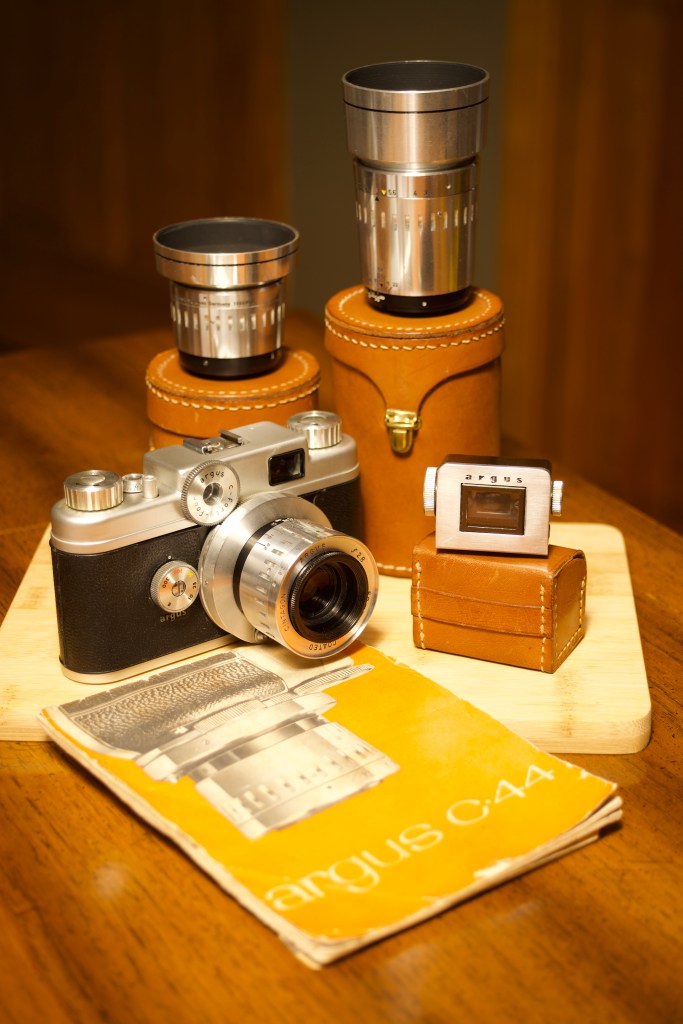
A classically styled camera yet very simply made. Fashionable looks aside, you will find no frills and gadgets. Only the essential controls and functions, albeit limited functions, necessary to make a photograph. It is a very interesting camera to use. The limited shutter-speed selections of Bulb, 1/10th, 1/25th, 1/50th, 1/100th, and 1/300th can really make you think and force you to plan your shot in certain circumstances. It is certainly not as flexible a machine as modern camera bodies are with their machine-gun burst rates and split second shutter speeds that seem to defy physics. While the shutter speed range won’t impress on a spec sheet, in reality it covers the commonly used range for a majority of images captured.
Focusing with this camera is very unique, or at least unique for a typical rangefinder. The wheel and gear implementation will be familiar to Argus C3 users. The user turns a wheel on the front of the camera that also houses the focus patch window. This gear rotates the large outer base of the lens mount which rotates the lens’ focus helicoid. It is a slick looking system and lends itself to very precise focus control. This control however is at the expense of speed. You can just grab the lens mount base and rotate it but be careful not to pinch fingers between it and the focus wheel.

Despite being of rangefinder design which are known for typically being discreet, the C-44 has quite a loud shutter. Your finger progresses the long travel of the shutter button to release a sudden “clack!”. Like pulling the trigger on a pistol. And almost as loud. If the look of this camera does not draw attention, the sound of the shutter certainly will.

An item on this camera that gets a lot of comments is the lens mount. More specifically the lens changing procedure. It has been touted on the CameraQuest website that it is the worlds “worst interchangeable 35mm bayonet mount of all time”. I agree that it is not the most fluid to use, but I do not find changing lenses in the field at all difficult. An unusual design, but not unusable. I find that aligning the dots is pretty straightforward. The alignment on the lens does not rotate easily so as long as it is handled with care, it won’t be bumped out of alignment easily. I still agree that it could have been better implemented, but let’s not blow this out of proportion as the system is still serviceable.


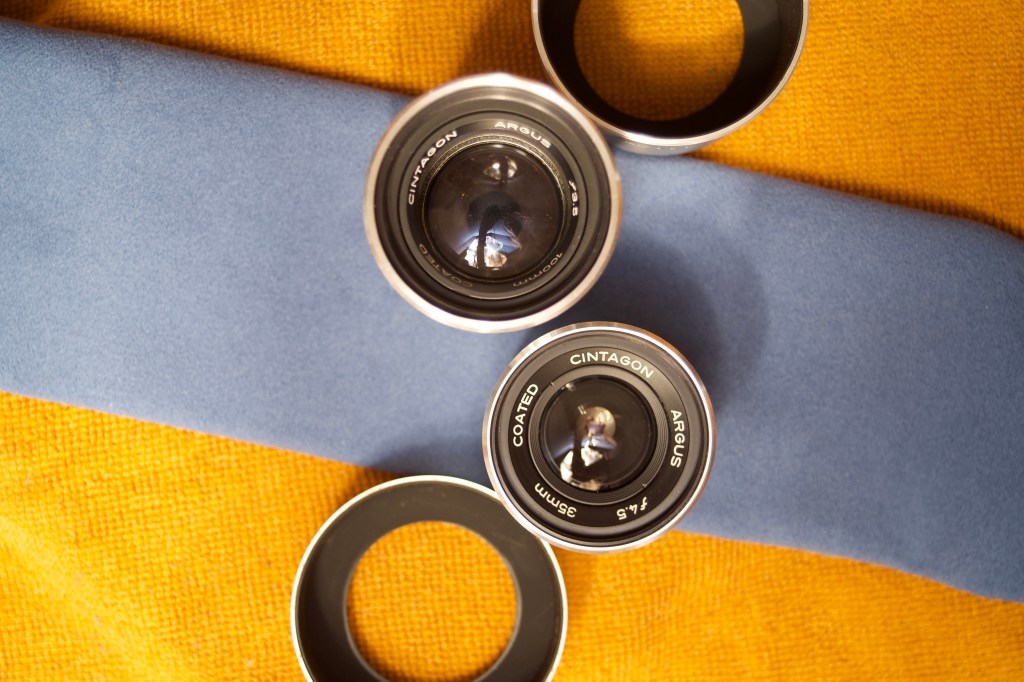
Despite the specs that this camera lacks when compared to more modern offerings, the real gems are the lenses. Lenses are made by Argus in the U.S. and Steinheil in Germany. I have three of the Cintagon lenses available; the standard 50mm f/2.8 made by Argus, a very sharp lens not to be underestimated, the wide-angle 35mm f/4.5 and the telephoto 100mm f/3.5 made by Steinheil. Despite their multi-decade existence, they can hold their own with modern optics. Not technically the sharpest optics I have ever used, but they render an image with a natural clarity. Images look very much as you remember seeing the scene when the image was captured. Equally as surprising is their resistance to flare. I have used more modern lenses that perform much worse in this regard. The 35mm has a short lens hood that does not always prevent stray light from impacting image contrast. Otherwise all lenses resist light streaking and flare artifacts when a light source is in the image frame.
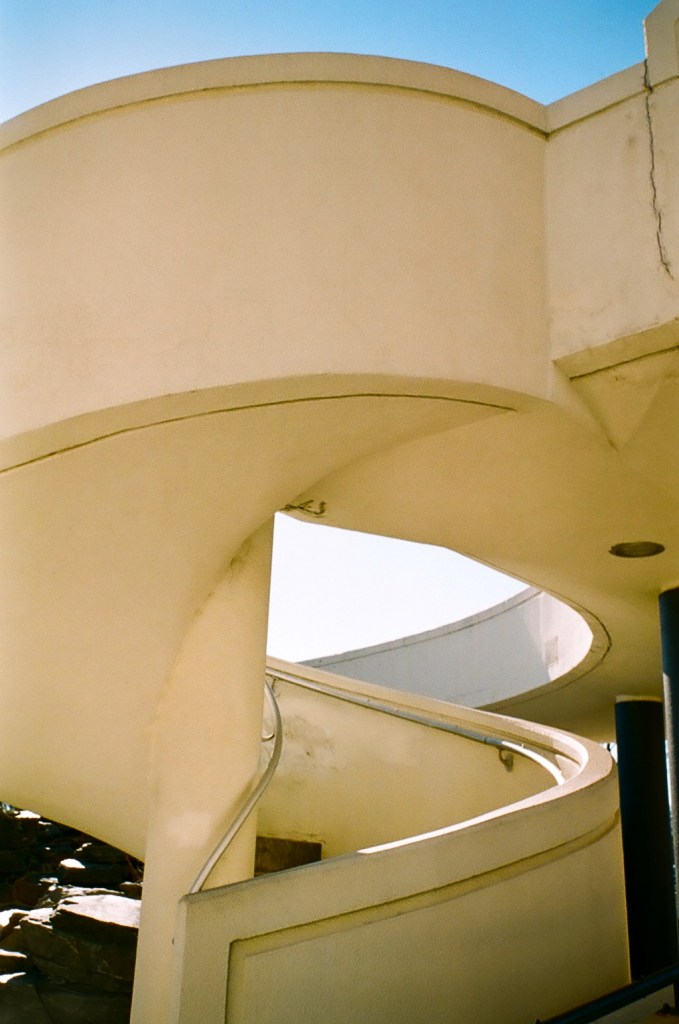
From my own experience, having only used color film in this camera, I do suspect that these lenses would resolve better with black & white film as color tonality and transition can be a little muddled. However they resolve texture exceptionally well. Just look at the wood on the picnic table or the texture on the stone buildings. Almost Leica like in that regard and with a smooth focus transition and pleasing bokeh.

Many might question the practicality of using such cameras. I find that they are rewarding and fun, if even frustrating at times, to use. However, I shall let the pictures speak for themselves…

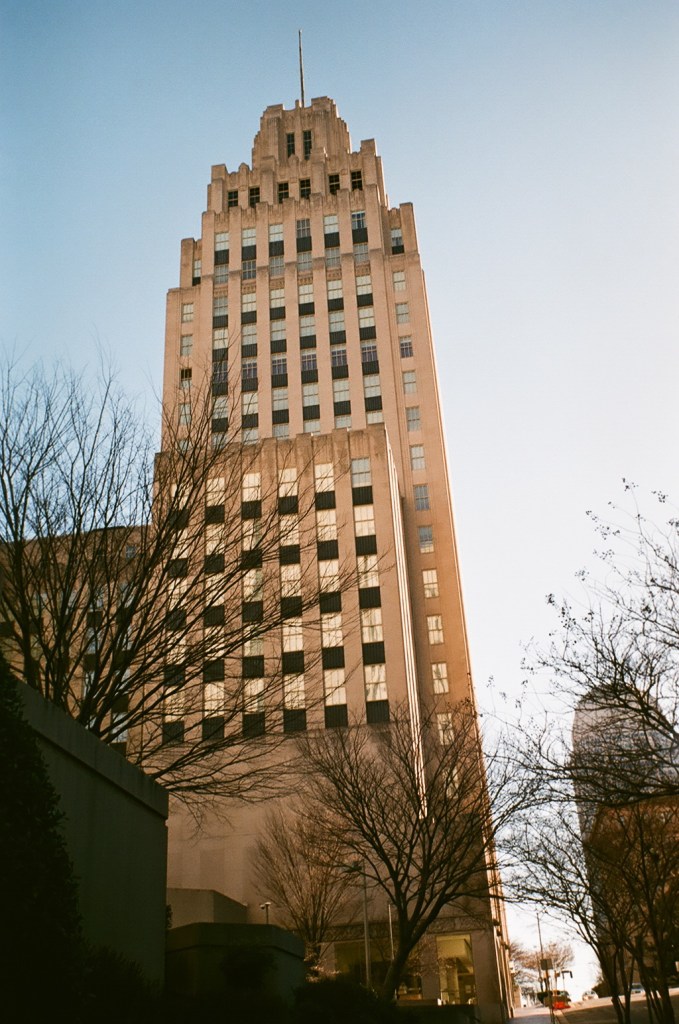


A simple camera system that isn’t just well made. The C-44 feels crafted. Not as refined nor as advanced as some other contemporaries but certainly a unique and enjoyable camera to use and considered a highlight of an American brand’s attempt at taking on the German camera giants of the era.
Thank you for reading. If you enjoyed this article please consider liking and subscribing for more. Comment your favorite vintage camera or a camera that you would like for me to discuss.
 Photo-47
Leave a comment